Free Shipping over $40
Under $40 - Flat rate shipping $5

The Best Garden Tools for Growing Beautiful Cut Flowers
10 essential tools to make your garden life easier!
GARDENING
11/12/20244 min read
If you're a cut flower enthusiast, you know that growing healthy, vibrant blooms requires more than just good soil and sunshine. The right tools can make the difference between a garden that’s merely surviving and one that’s thriving with lush, colorful flowers perfect for cutting. Whether you're a seasoned gardener or just starting, here’s a rundown of essential tools that can help you grow an impressive collection of cut flowers.
1. Drip Irrigation
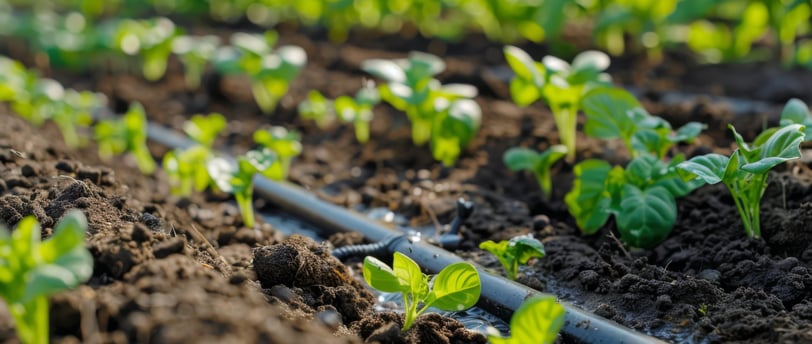
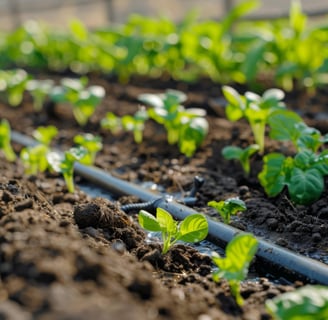
Watering is one of the most critical aspects of flower gardening. Overwatering or underwatering can stress plants and lead to poor blooms. Drip irrigation is a fantastic option for delivering a steady, precise amount of water to your flower beds. Unlike traditional sprinklers, drip systems deliver water directly to the soil at the base of plants, minimizing evaporation and keeping leaves dry (which can help reduce disease). This setup is especially beneficial for densely planted flowers or rows of cutting flowers. Drip irrigation systems are customizable, allowing you to adjust them based on the needs of each plant.
Pro Tip: Opt for a system with adjustable nozzles, so you can cater to the specific needs of each plant type. You can even add a timer (see below) to create a fully automated system.
2. Hose Faucet Timer
A hose faucet timer takes the guesswork out of watering, helping you provide consistent hydration. These timers allow you to set a schedule for watering, which is particularly helpful during dry periods or if you’re frequently away from home. Paired with a drip irrigation system, a hose timer can make your watering system nearly self-sustaining, ensuring that your flowers are always well-hydrated without you having to lift a finger.
Pro Tip: Look for a timer with multiple settings so you can adjust the watering frequency and duration as the seasons and weather change.
3. Quality Pruners
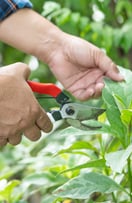
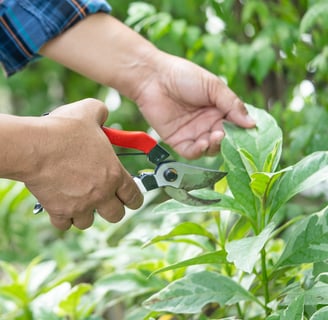
Pruners are essential for trimming and harvesting flowers. When you cut blooms for bouquets, you want clean, precise cuts to avoid damaging the plants, which can lead to disease. A pair of sharp, well-made pruners will make cutting stems easy and keep your plants healthy by providing a smooth cut rather than crushing the stems. Look for bypass pruners, which work like scissors and are ideal for live plant material.
Pro Tip: Keep your pruners clean and sharpened to ensure they last longer and work efficiently. A little maintenance goes a long way in ensuring that you get the best results every time you harvest flowers.
4. Grow Lights
For those who start their flowers from seeds indoors or extend their growing season, grow lights are a game-changer. Not all homes have a sunny window that provides the necessary light, and grow lights can provide consistent, strong light to support healthy seedlings. LED grow lights, in particular, are energy-efficient and provide the right spectrum of light for optimal growth.
Pro Tip: Look for full-spectrum grow lights, as they mimic natural sunlight and promote healthy growth from seedling to mature plant.
5. Small Greenhouse
A small greenhouse is a perfect addition for flower growers, offering a controlled environment where you can start seeds early, protect delicate plants, and even extend the growing season. With a greenhouse, you can start flowers earlier in the spring and continue growing later in the fall. Many small greenhouse models are designed for home gardeners and are compact, easy to assemble, and provide excellent insulation against the cold.
Pro Tip: Keep an eye out for small greenhouses with adjustable vents to regulate airflow and prevent excessive humidity, which can lead to mold and disease.
6. Seed Starting Trays
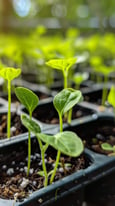
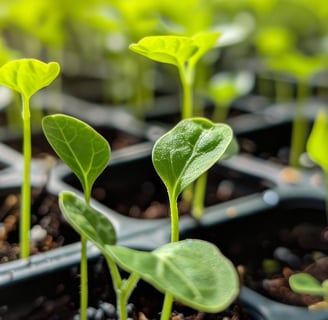
Starting flowers from seeds is not only cost-effective but also allows you to experiment with a wide variety of flowers. Seed starting trays are essential for this process, giving you a designated space for each seed to germinate and grow. Many trays come with individual cells, which can make transplanting easier and reduce root disturbance. Pair them with a heat mat to improve germination rates for temperature-sensitive seeds.
Pro Tip: Look for trays with drainage holes to prevent waterlogged soil and encourage healthy root growth.
7. Seed Spacing Ruler
If you want a lush, well-organized flower garden, a seed spacing ruler is a handy tool. This simple tool helps you achieve consistent spacing, which ensures each plant has enough room to grow and thrive without crowding. Proper spacing also improves airflow around plants, reducing the risk of disease and encouraging strong stems – an essential feature in flowers meant for cutting.
Pro Tip: Opt for a seed spacing ruler that’s easy to read and has measurements suitable for various flower types to keep your garden layout neat and organized.
8. Garden Trowel
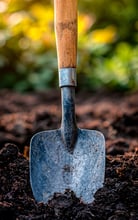
A garden trowel is indispensable for planting, transplanting, and digging small holes. This tool helps you manage soil and prepare planting spots with ease, especially for bulbs and seedlings. A sturdy trowel with a comfortable handle will reduce strain on your hands, making it easier to work longer in the garden.
Pro Tip: Choose a rust-resistant trowel with a comfortable, ergonomic handle. Stainless steel blades are durable and make digging easier, even in tougher soils.
9. Mulching Fork
A mulching fork is another valuable tool for flower gardeners. Using mulch around your flower beds conserves moisture, regulates soil temperature, and suppresses weeds—all factors that contribute to healthier plants. A mulching fork lets you spread mulch quickly and evenly, providing your garden with a clean, well-maintained appearance.
Pro Tip: Look for a fork with curved tines to make scooping and spreading mulch easier and more efficient.
10. Plant Labels
Keeping track of different flower varieties can be challenging, especially if you're growing several species. Plant labels help you stay organized by marking each variety as you plant them. This is particularly useful for perennial flowers, where you’ll want to keep track of their growth and placement over the years.
Pro Tip: Choose durable, weatherproof labels to avoid fading or wear over time. You can even color-code or mark them with specific growing instructions for easy reference.
Final Thoughts
With these ten essential tools, growing a beautiful, abundant cut flower garden is well within reach. From efficient watering setups with drip irrigation and timers to planting aids and organizational tools, each item plays a vital role in helping you nurture your blooms from seed to vase. An organized, well-maintained garden is a healthy one, and with these tools in your arsenal, you’ll be on your way to a breathtaking flower garden that’s always bouquet-ready. Happy gardening!