Free Shipping over $40
Under $40 - Flat rate shipping $5

How to Grow a Wildflower Garden from Seed Using Perennials Native to Zones 3-8
A wildflower garden offers a natural, low-maintenance, and eco-friendly way to fill your yard with color and life. Using perennial flowers native to USDA zones 3-8 ensures your garden thrives with minimal care while supporting local pollinators and wildlife. Here's a step-by-step guide to planting your own wildflower oasis.
11/24/20242 min read
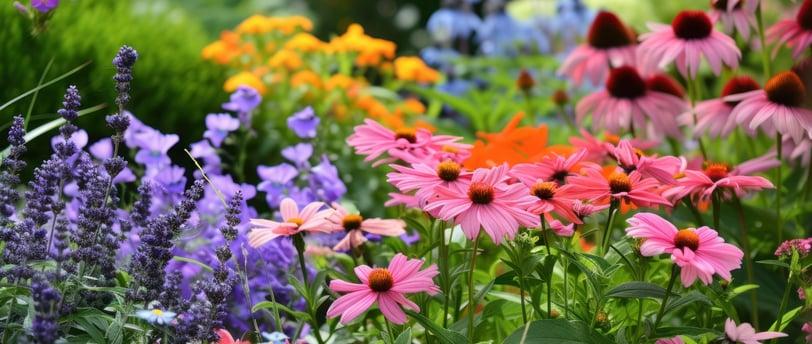
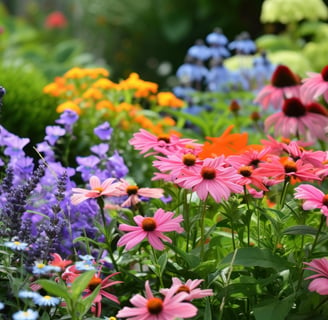
Step 1: Choose Native Perennials
Native perennials are adapted to your region’s climate and soil, making them resilient and beneficial for local ecosystems. For zones 3-8, consider these stunning options:
Black-Eyed Susan (Rudbeckia hirta): Bright yellow blooms loved by bees and butterflies.
Purple Coneflower (Echinacea purpurea): A pollinator magnet with long-lasting flowers.
Milkweed (Asclepias spp.): Essential for monarch butterflies.
Bee Balm (Monarda spp.): Adds vibrant color and attracts hummingbirds.
Blazing Star (Liatris spp.): Tall spikes of flowers that attract a variety of pollinators.
Research what grows best in your specific zone to create a diverse and balanced garden.
Step 2: Select and Prepare Your Site
Choose a sunny location, as most wildflowers thrive in full sun. Clear the area of weeds, grass, and debris to reduce competition for your seedlings. Lightly till or rake the soil to create a loose seedbed.
Step 3: Mix and Sow Your Seeds
For even coverage, mix your wildflower seeds with sand. Broadcast the seed mixture evenly over your prepared area. Gently press the seeds into the soil with a roller or by walking over them, but don’t cover them too deeply—many wildflower seeds need light to germinate.
Step 4: Water and Mulch
Water the area immediately after planting to settle the seeds into the soil. Keep the soil moist but not waterlogged until germination occurs, typically within 7-21 days depending on the species. Add a light mulch layer, such as straw, to retain moisture and protect seeds from birds.
Step 5: Be Patient
Native perennials often spend their first year establishing roots rather than producing flowers. Don’t be discouraged if your garden looks sparse initially. By the second year, your wildflowers will burst with blooms, and they’ll continue to return year after year.
Step 6: Maintain Your Garden
Watering: Once established, most native wildflowers are drought-tolerant and require minimal watering.
Weeding: Remove invasive weeds to prevent competition.
Deadheading: Let some flowers go to seed to encourage natural reseeding and provide food for birds.
Why Grow Native Perennials?
Native wildflowers are essential for supporting biodiversity. They attract bees, butterflies, and birds while creating a habitat that’s both beautiful and beneficial to the environment. Plus, they’re hardy and require less maintenance than non-native species.
Final Thoughts
Starting a wildflower garden from seed is a rewarding way to beautify your outdoor space and contribute to ecological health. With the right native perennials and a little patience, you’ll enjoy a flourishing garden that provides year-round benefits.
Start planting today and transform your yard into a thriving wildflower haven! 🌿
Would you like help choosing seeds? Check out our collection of native wildflower seeds perfect for zones 3-8!